
This is a repost of an article by Larry Edge on Substack – @ldedge
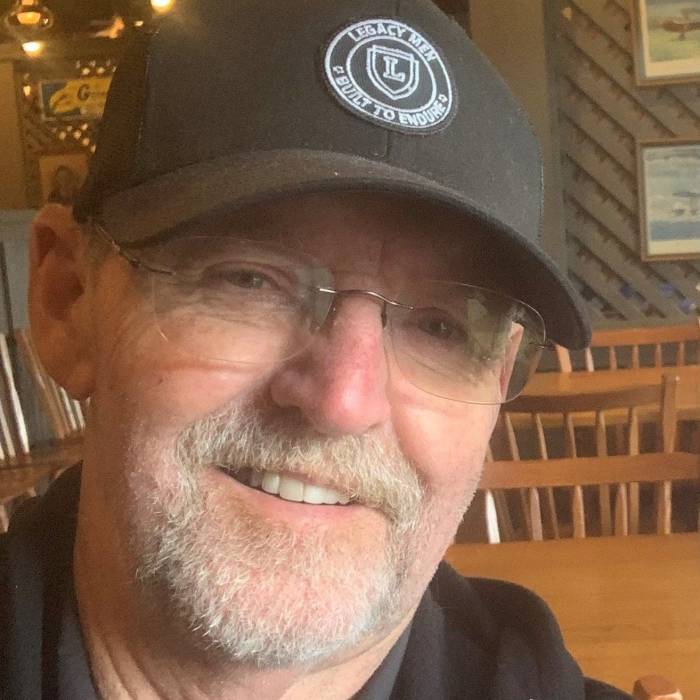
Larry Edge
As a kid, I thought my grandmother was stingy. Whenever the family went out to eat—birthdays, holidays, lazy weekends—she’d smile softly and wave us off: “I’m not hungry, sweetheart. You all go enjoy.”
We’d push back, but she never budged. She stayed home, humming along to the radio in her small house that always smelled of tea and clean soap. I figured she just hated spending money.
I was wrong.
After she passed, a stranger walked in during the quiet reception at her house. Her eyes were swollen, and she held a folded photo of two children. She asked if we were Rosa’s family. When we said yes, she broke.
“Did you know,” she said through tears, “that she bought groceries for my kids every month for three years?”
The room froze. I looked at my mother, then my uncle—their faces echoed my shock.
Her name was Elena. She lived a few blocks away in a cramped apartment behind the church. Her husband had left when the children were small. Some nights, she skipped meals so her kids could eat. One day, Grandma had spotted her on a curb, cradling a crying baby beside a grocery bag that held only a loaf of bread and two apples.
Grandma didn’t pry. She just handed Elena an envelope with fifty dollars and a simple note: “Feed them. They deserve more.” That moment turned into a silent routine.
Every month, Grandma found quiet ways to help—groceries left on the porch, utility bills paid anonymously, small Christmas gifts slipped into the mailbox. All while insisting she “wasn’t hungry” when we invited her out.
We called it frugal. It was a sacrifice.
After the funeral, more stories surfaced. A man in a wheelchair remembered her weekly checkers games at the nursing home. A teenager told us she’d edited his college essay and given him Grandpa’s old briefcase as a “good-luck charm.”
Each memory peeled back another layer of the woman we thought we knew.
Sorting her things, we found small spiral notebooks—not diaries, just dates and short notes of unseen kindnesses. They felt like quiet reminders to her that care still counted.
One page held a list: “People to pray for when I can’t sleep.” My name was there. My father’s. Elena’s too.
I recalled getting upset once when she wouldn’t let me buy her new shoes—hers were worn through. I’d begged; she’d just smiled: “These still have more walking to do.” I’d rolled my eyes. Now I see.
She never took when she could give.
In the weeks that followed, I walked her old paths through the neighborhood. At the nursing home, they showed me “Rosa’s chair.” At the grocery store, a young clerk said she used to slip him ten dollars at closing and whisper, “You’re doing great. Keep going.” She made him feel visible.
Piece by piece, we uncovered the invisible world she’d woven—a network of kindness still supporting people even after she was gone.
Then my mother found a tin in the attic labeled “Rainy Day Fund.” Inside: $872 and a note. We debated its purpose.
Elena called. Her oldest had been accepted to community college, but the $870 registration fee was out of reach.
We didn’t hesitate. We sent the money. Days later, she arrived with a homemade pie and a card: “Thank you for finishing what she started.”
That evening, I sat on Grandma’s porch, watching the streetlights come on. For the first time, I felt her not in the emptiness, but in everything still moving.
The following Sunday, instead of brunch, I bought a sandwich for a man outside a café. He looked up, surprised, and smiled.
It felt small. But not small.
Months later, life hit hard. I lost my job. Rent loomed. Pride kept me silent. One morning, in a café, cold coffee in hand, rejection emails piling up, a young woman approached.
“Excuse me—are you Rosa’s grandson?”
I nodded, puzzled.
“She read to me at the library,” she said. “I knew your eyes.” Seeing my weariness, she handed me an envelope.
“She told me kindness is a seed. Plant it, and one day it grows back.”
Inside: a check for $1,000.
I tried to refuse. She smiled. “She said it was yours before you even knew it.”
That covered rent. Two weeks later, I landed a job. I sent her flowers with three words on the card: “Your seed bloomed.”
I used to think heroes shouted.
Now I know the real ones whisper. They fold laundry, stir soup, and tuck help into envelopes no one will ever credit.
Grandma didn’t chase thanks. She just saw people—and cared.
Now, when I spot someone struggling, I step in. I listen. I help. And I hear her soft voice: “That’s it, dear. Keep walking. These shoes still have more steps.”
If this touched you, maybe you’ve known someone like her. Or maybe you are her.
Either way, remember:
You don’t need riches to give.
You don’t need a spotlight to matter.
You need a heart that notices.
Go and notice.
Plant the seed.
Kindness doesn’t end—it keeps walking.
Credit: Mr Commonsense
 creativeartworksblog